Plant Selection
Below are some useful resources for finding native plants to fit specific site conditions:
Ladybird Johnson Wildflower Center: This resource allows you to find plants that fit specific site conditions. It is not ecoregion-specific, but it will help you find plants that meet specific light, moisture and bloom times by state.
bplant: Provides lists of ecoregion-specific plants that are documented from your ecoregion. Find out more about ecoregions on WONA’s Natural History pages.
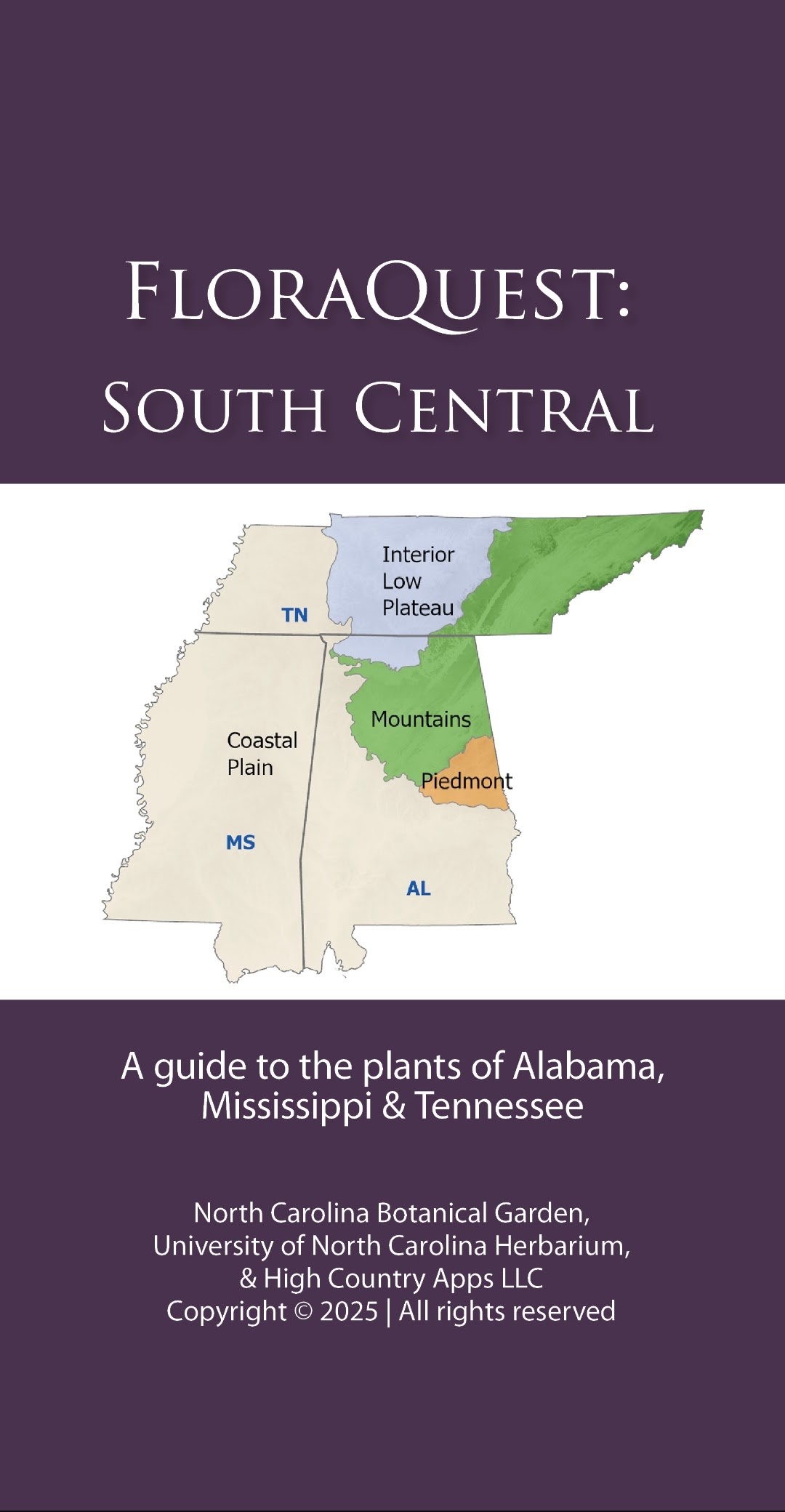
FloraQuest South Central app: The app version of the Flora of the Southeastern U.S. can be used to find plants that meet specific habitat, ecoregion and growing conditions via the graphical key. Primarily the app is a plant key, but it has many uses!
National Wildlife Foundation: The Keystone Plants by [Level II] Ecoregion helps locate keystone plants for our Level II ecorergion. These are the most important plants that help weave the web of life back together where native plants have been completely removed.
WONA’s Natural History pages: The entries by Charles Mohr, in particular, are helpful for understanding fine grained detail for what plant historically occurred in different habitats. While his lists are not comprehensive of every plant occurring in each habitat, they are extremely detailed and helpful for understanding 19th century vegetation patterns.
Plant Identification & Propagation
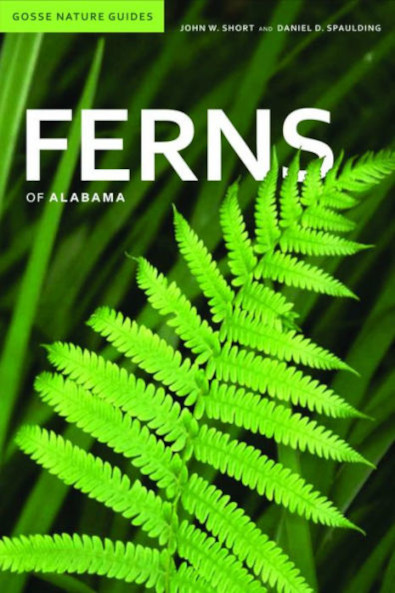
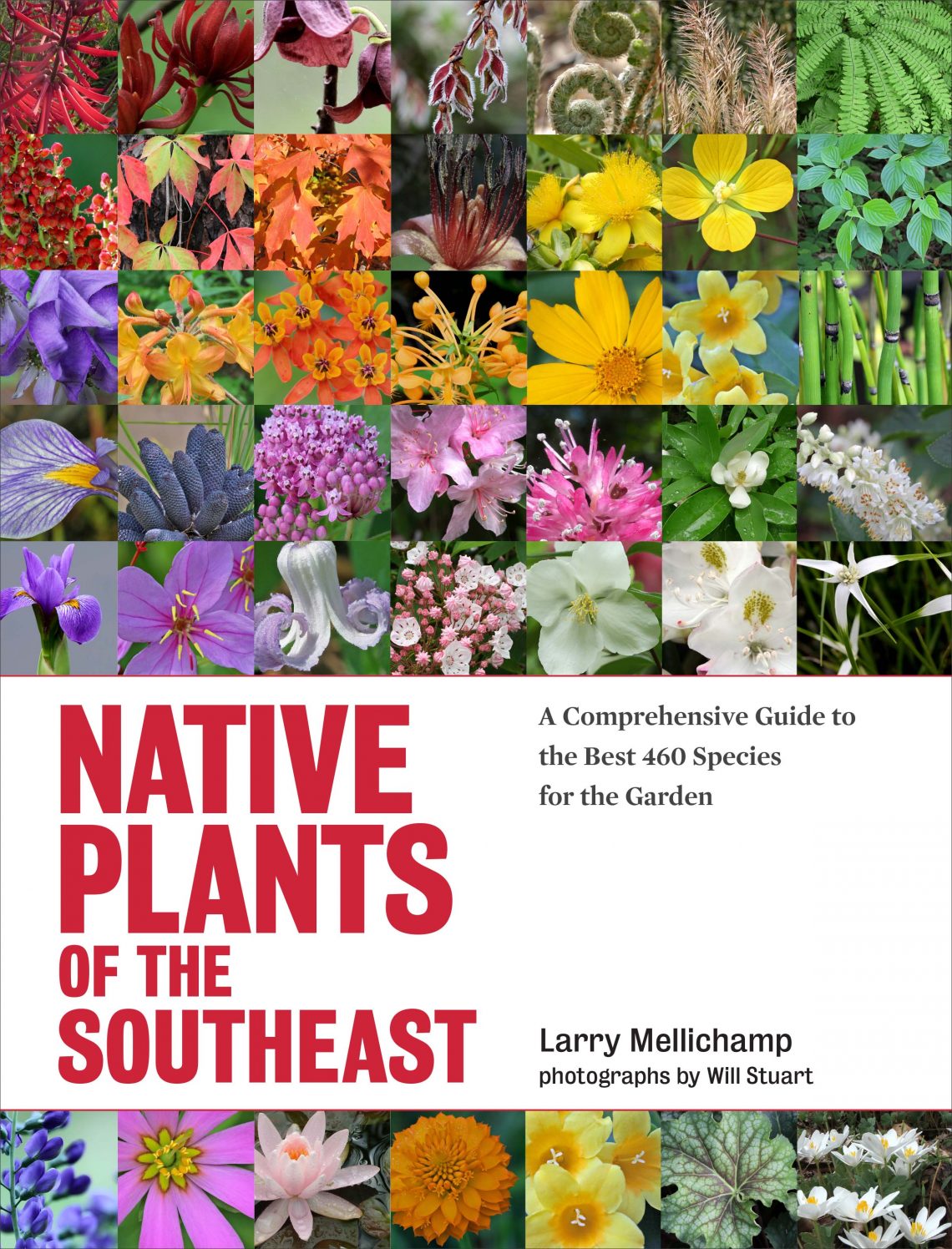
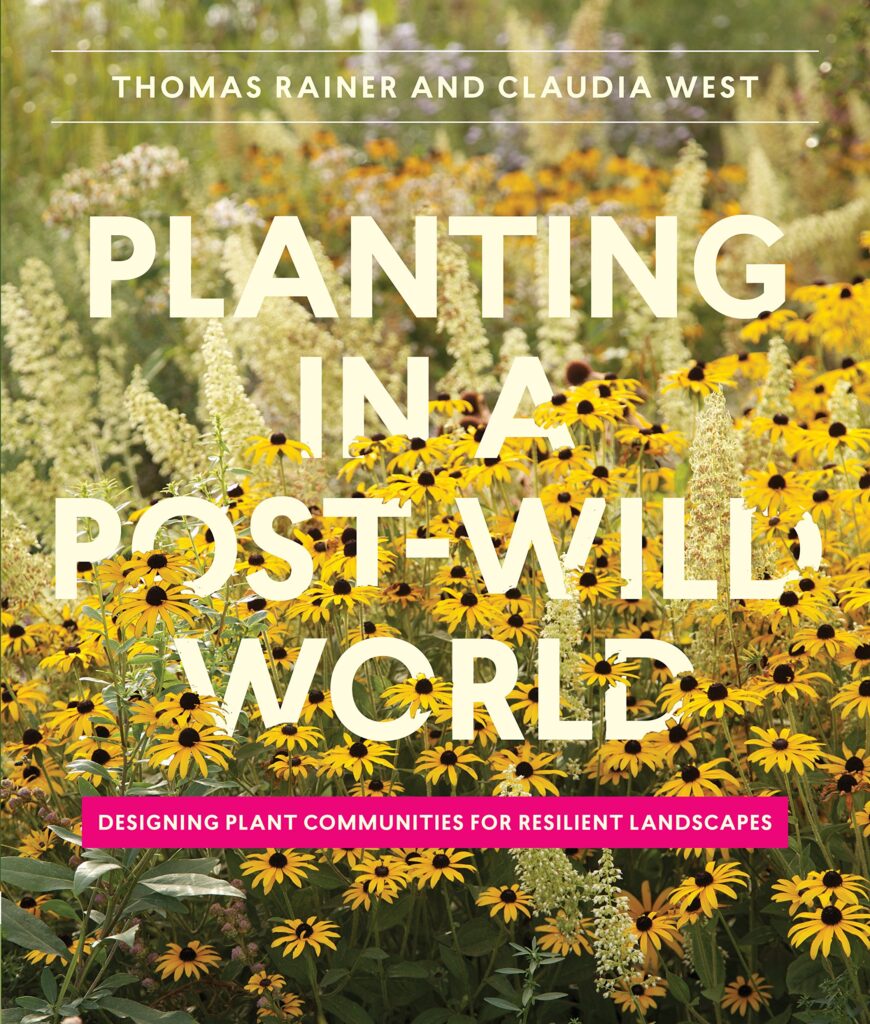
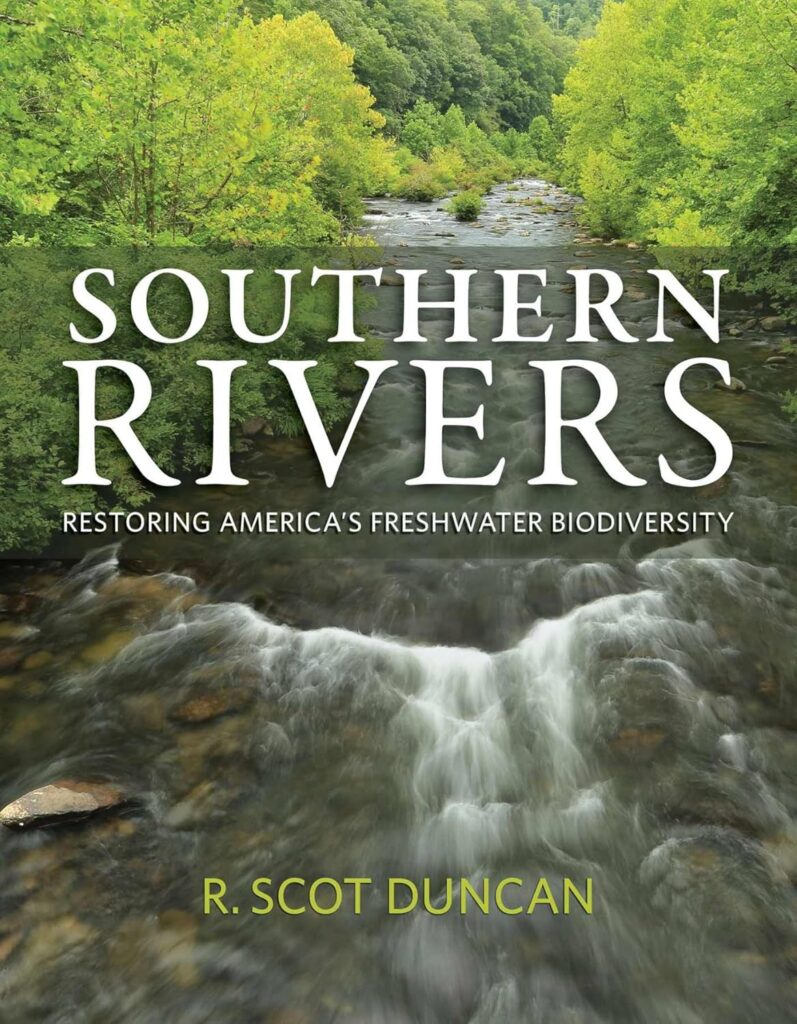
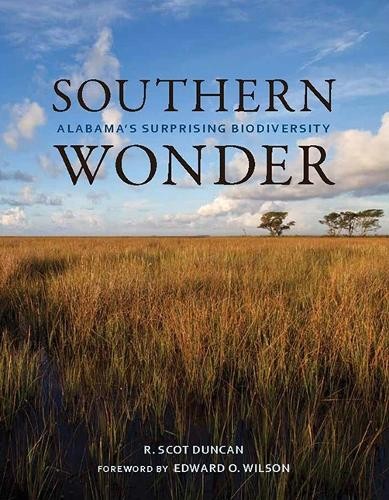
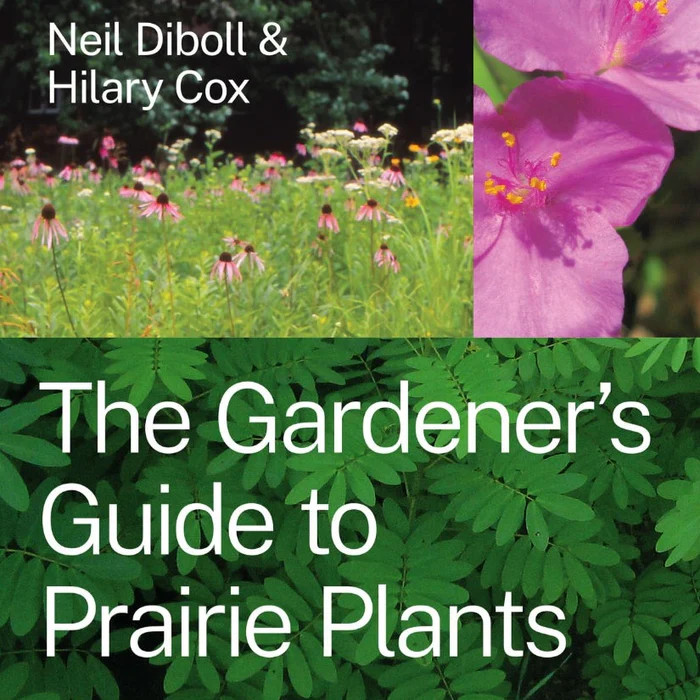
Below are some useful, regionally-specific resources for North Alabama (and the Southeast) that will aid you on your journey to ID and propagate native plants. If you are collecting wild seeds, please always remember our collection ethics! In general it’s a good idea to have a mix of books on botanical theory, gardening/propagation, dichotomous keys and field guides. Some very good keys, listing up to 16,000 species, are now freely and publicly available online (see Weakley’s Flora), and I’m sure there will be more to come. Weakley’s FlorQuest app for the South Central region is indispensable if you want to ID our most species-rich genera to the actual species.
Additionally, citizen scientists and AI image recognition software will help you learn our native and invasive plants on iNaturalist and similar apps.
If you have further suggestions for resources relevant to North Alabama, please send them to us!
Plant Propagation
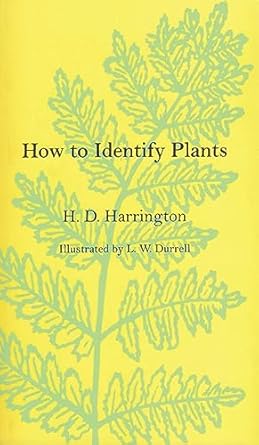
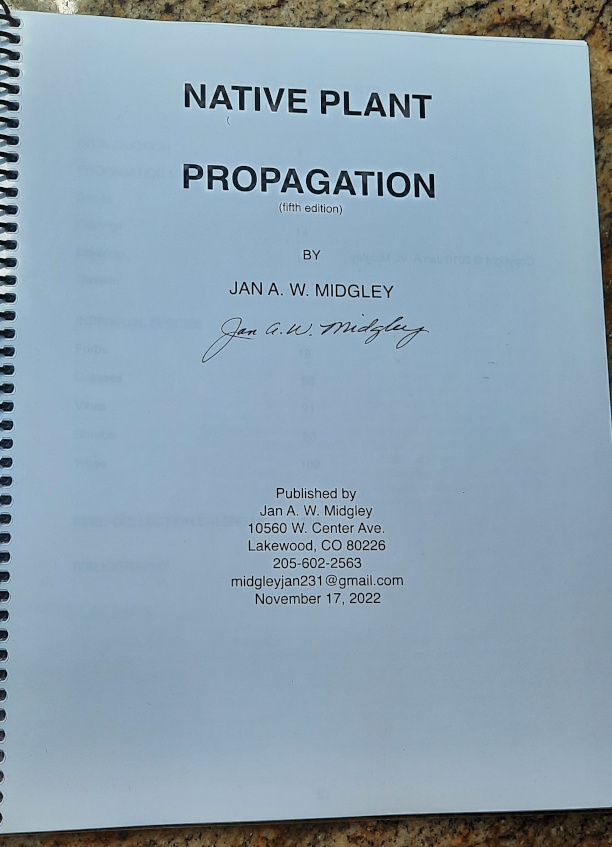
In addition to Jan Midgley’s self-published book on plant propagation (which can be acquired by sending her a check for $27.00 to the address on the cover – picture above), the USDA has published extensive material on the propagation of woody species in the Woody Seed Plant Manual. You can read and download the USDA manuals here.
Workshops
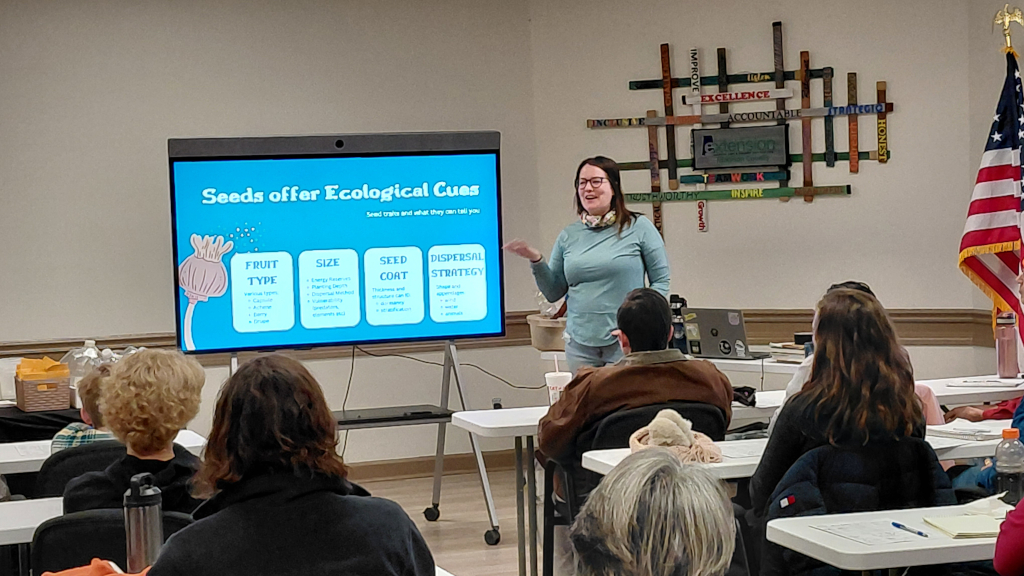
Are you an expert (amateur or professional) in a subject matter that can help WONA achieve its strategic goals? Are you a natural educator who loves to share your knowledge with others? If so, we’d love to hear from you. We’d like to hold workshops throughout the year with various experts to make us all more competent plant identifiers, propagators, and invasive species eradicators. Please reach out, and help us get better at what we love to do!
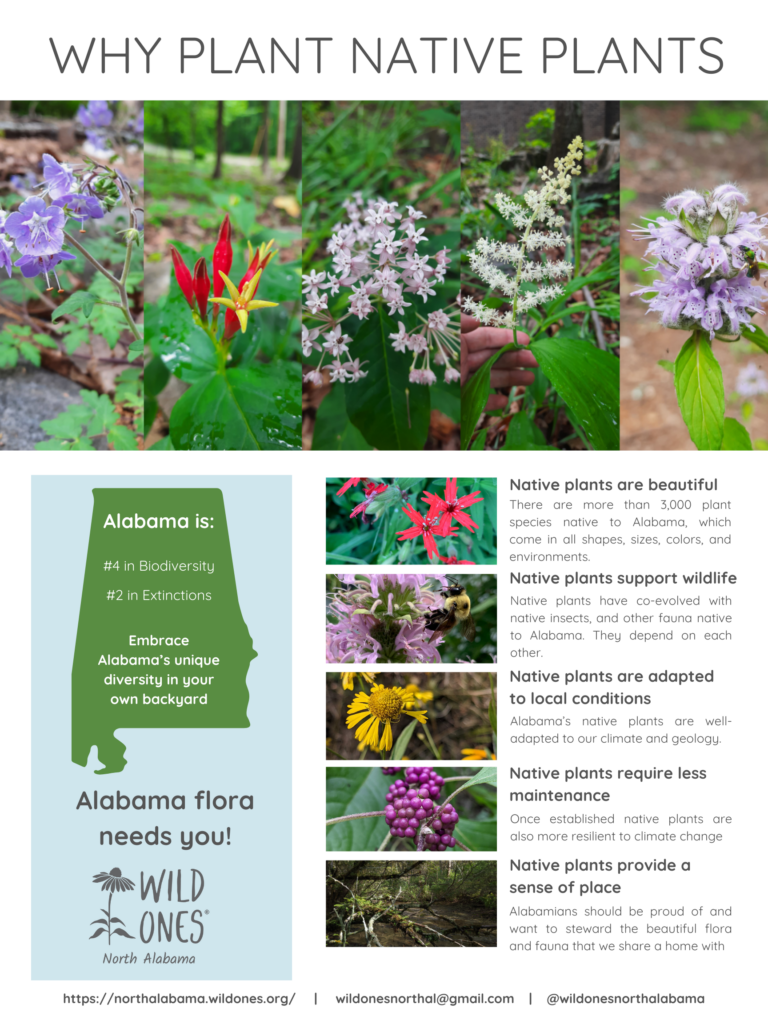
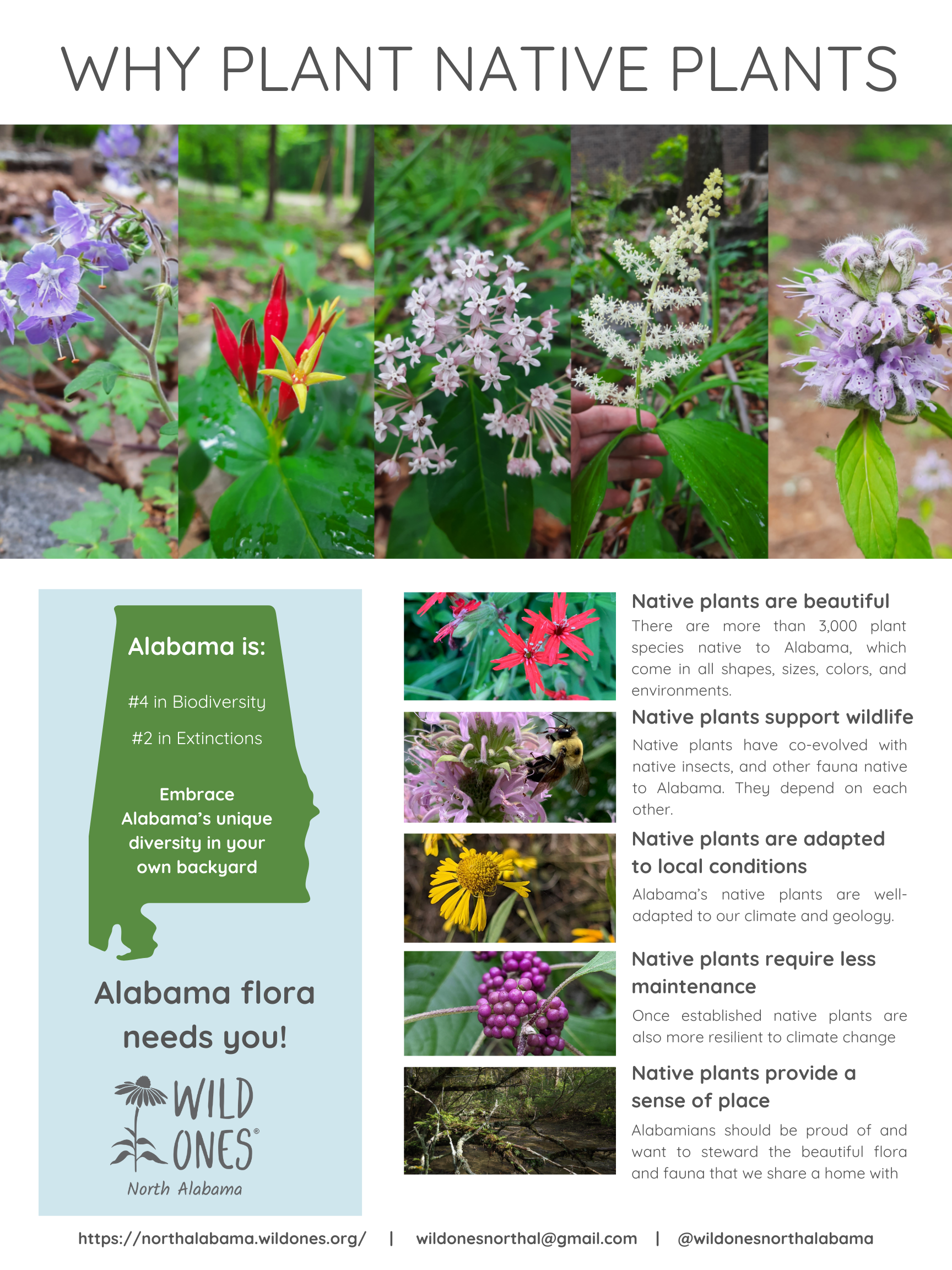
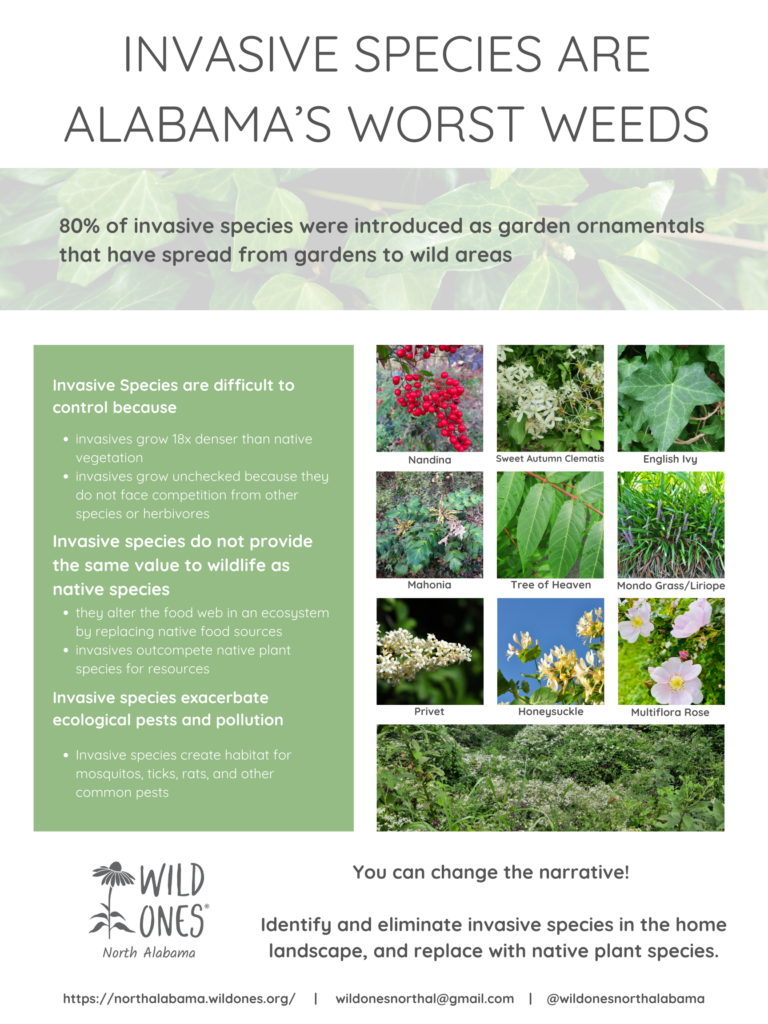
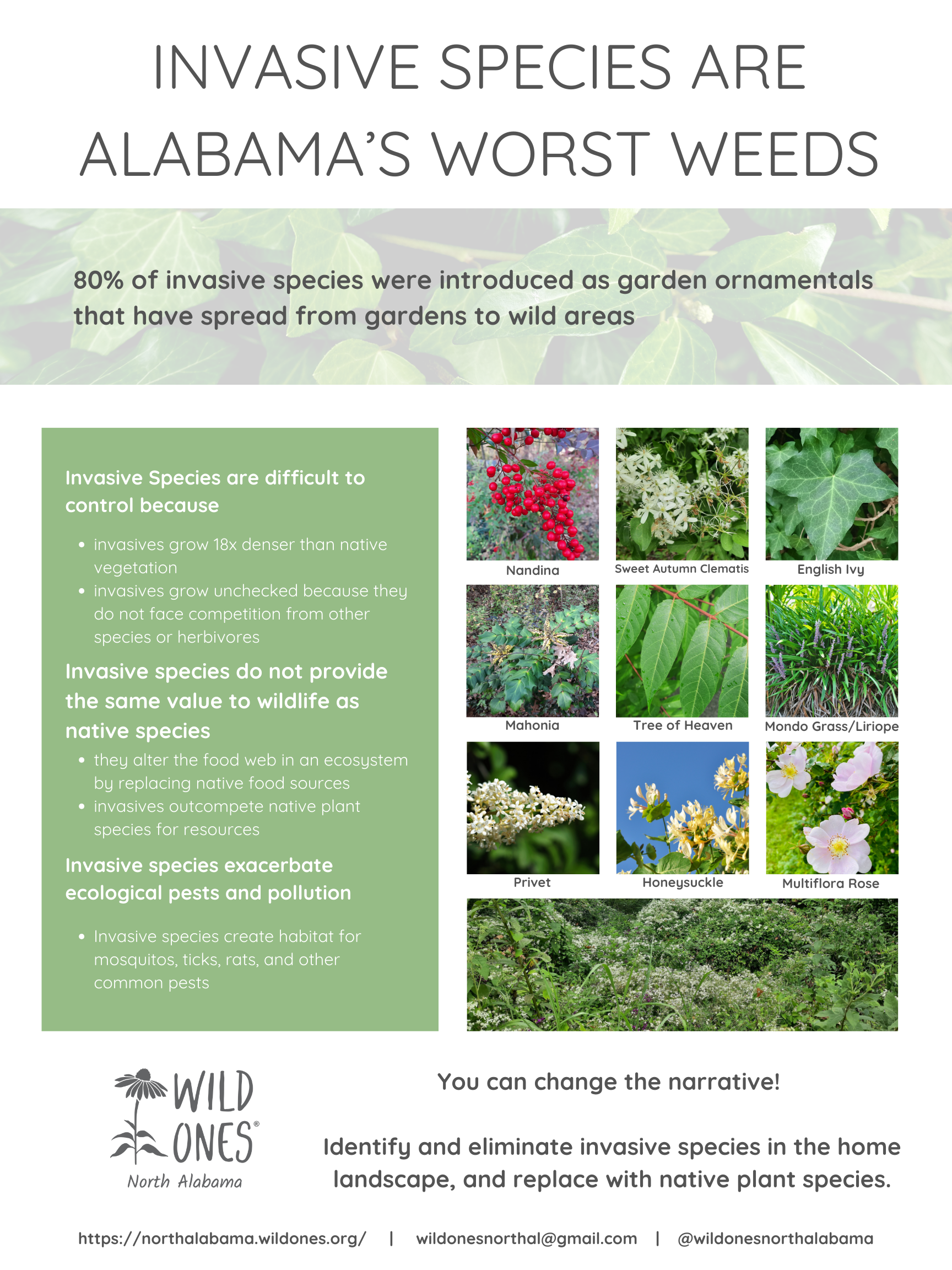
Wild Ones North Alabama Handouts